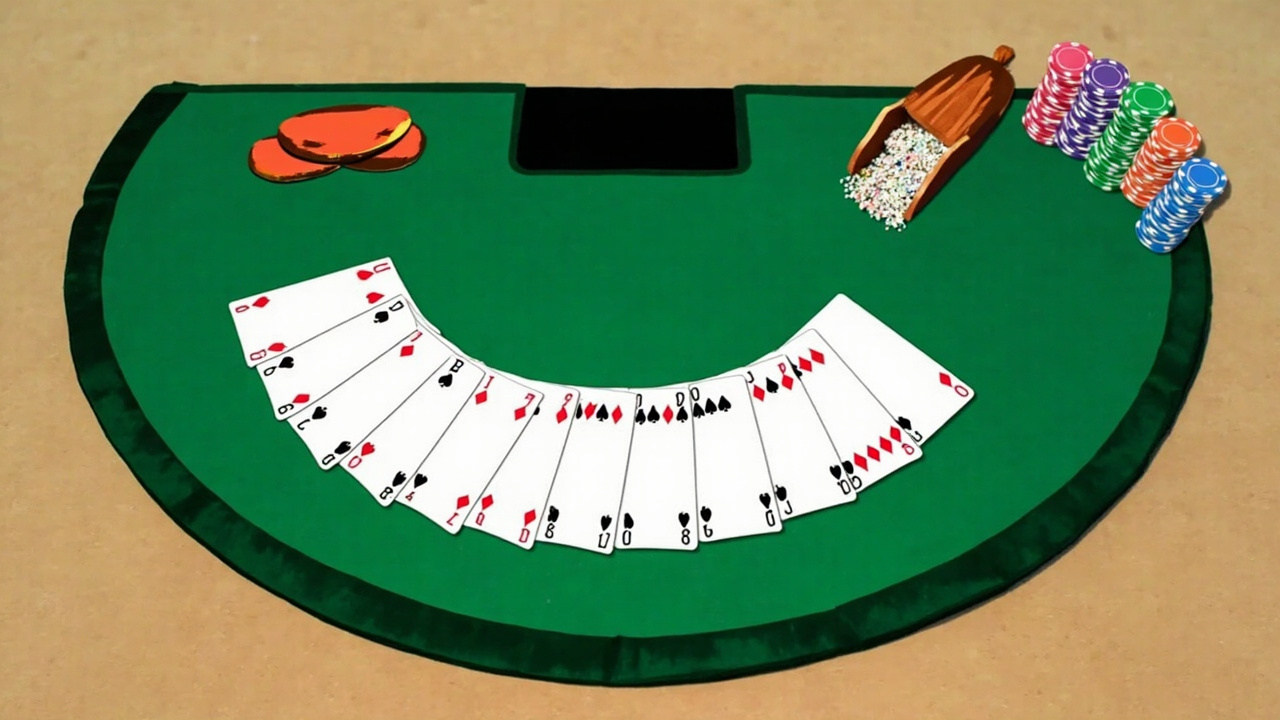

RoulettE: Table Etiquette That Keeps Play Smooth

H1: Roulette Table Etiquette Tips That Keep the Floor Moving
Walk into a busy room on a Saturday arvo and the difference between a smooth session and a stalled one often comes down to manners, not maths. Good conduct at the wheel keeps the croupier’s rhythm steady, helps your chips stay visible, and stops a quiet table from turning into a bottleneck. We track incident response across international floors, and the same operational principle applies here: predictable behaviour reduces friction, just as clear handoffs between banking and technical support teams cut resolution time. The practical habits below are the ones that actually matter once the ball is in motion.
H2: Chip Placement and Betting Pace
Place your chips cleanly on the layout and leave the rest of the table space for the next player. A tidy bet stack is easier for the dealer to read, and it speeds up the payout cycle when the round closes. Rushing your on our project wagers or leaning across the felt to squeeze in late chips disrupts the dealer’s cadence, which is exactly the kind of small friction our analytics flagged as a recurring incident driver on crowded floors. If you want to see how a well-paced table compares to a noisy, unpredictable one, the contrast is as clear as the difference between a reliable payment rail and a system that keeps timing out under load. For players comparing quiet sessions to the louder, faster-paced slots environment, a look at https://gates-of-olympus-slots-au.com/ shows how varied pacing can feel once the action picks up. Most operators structure their welcome offer with a wagering requirement that caps how much bonus credit counts toward table play, so the pace you choose at the wheel has to fit the terms you signed up for. Eligibility usually restricts bonus use to new accounts, and contribution rates for roulette bets can sit lower than for digital spins, which means your etiquette and your bonus plan need to line up before you push chips forward.
H2: Dealer Signals and Clear Communication
A quick, readable signal beats a long explanation every time. Tell the dealer your bet type with a clear hand motion or a spoken call before the ball drops, and keep your chips within reach so the payout can land without a search. When a table gets busy, the croupier is managing several hands at once, and ambiguous gestures create the kind of misfeed that our support logs show up as avoidable disputes. We’ve seen the same pattern in global technical teams: a standardised signal reduces error the way a shared incident template keeps two time zones from talking past each other. If you are unsure about a rule on the night, ask once and accept the answer rather than re-opening the question mid-spin. That discipline matters for compliance as much as it matters for your own session, because repeated interruptions can trigger a table review in ways that slow everyone down. In Wollongong, where weekend crowds can fill a room quickly, keeping your communication short and consistent is one of the simplest ways to help the floor stay steady.
H2: Table Quiet, Patience, and Fair Play
A quiet table is not a slow table; it is a table where everyone can follow the round. Avoid leaning over the layout to watch another player’s bet, and keep conversation low enough that the dealer can hear the call. There is a reason operators watch for unusual table activity, because a “shill” is a person employed to gamble and stimulate action at a quiet table, and that kind of artificial energy changes the rhythm for everyone else. You do not need to second-guess every deal or try to read the wheel like a puzzle; the house edge is built into the layout, not into your manners. Our compliance work shows that clear boundaries around table behaviour reduce the small incidents that pile up into larger disputes, much the same way clean transaction records keep a banking review from spiring into a backlog. If a round feels crowded, wait for the next one rather than pressing chips forward out of turn. Patience is the cheapest way to keep your own play readable and the floor moving.
H2: What This Means for Australians
For players in Australia, the practical takeaway is straightforward: etiquette at the wheel is about keeping your session orderly, not about chasing a pattern that does not exist. Wagering terms on welcome bonuses usually set a clear cap on how much bonus money counts toward roulette, and contribution rates can differ from other games, so your betting pace and your bonus plan need to match before you start. Registration and verification steps are part of the same compliance picture that our teams handle across borders, and they exist to keep the floor legitimate rather than to complicate a casual night out. You will not find an offshore casino play that is licensed or regulated in Australia, so the safest approach is to treat table manners and bonus terms as the two things you can actually control. In Wollongong and across the country, a steady hand on the layout and a clear read on the rules will do more for your session than any supposed trick.
- Glossary –
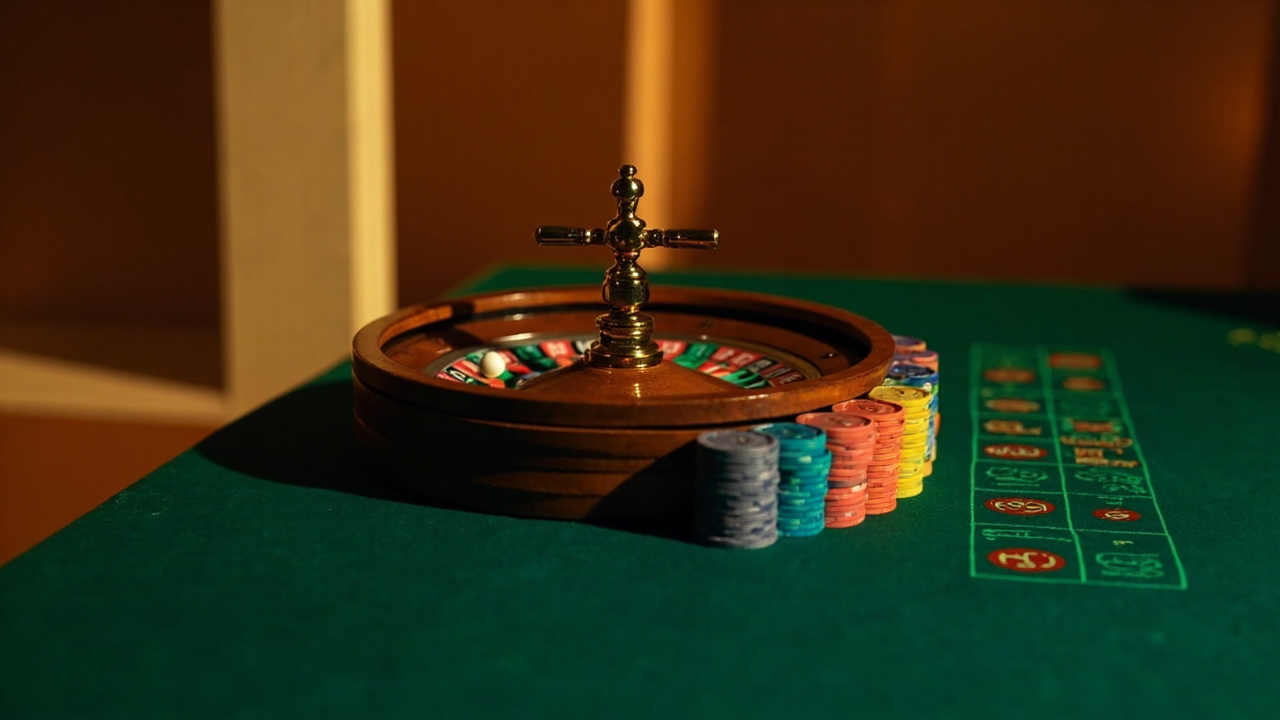
- Croupier: the dealer who runs the roulette round, calls the result, and handles payouts.
- Layout: the printed felt area where chips are placed to mark bets.
- Wagering requirement: the multiplier that sets how much bonus credit must be played before withdrawal.
- Contribution rate: the percentage a game counts toward meeting a bonus requirement.
Adam Scott, Independent iGaming Expert, Daintree Digital Ventures, puts it plainly: “Table etiquette is mostly about reducing friction for the dealer and the players around you, because a calm floor is easier to run than a noisy one.” Hannah Cooper, iGaming Regulatory Consultant, Great Southern Betting Review, adds a caveat worth hearing: “Players should read the bonus terms on contribution and eligibility before they bet, because roulette can count differently than other games depending on the offer.” Samuel Bennett, Managing Partner, Murray River Gaming Research, notes the operational side: “Casinos worry about faro shuffles precisely because they’re too predictable, and the same logic applies to a table where everyone follows the same clear signals.”