

The clatter of coins in a regional pub pokies room has a rhythm all its own, a steady percussion that cuts through the smell of stale beer and fried snags. Down in a Bendigo club on a Friday night, you will see blokes in high-vis vests lining up for a spin while the local cricket results flicker on a tiny telly in the corner. That scene has not changed much in decades, yet the way Australians access those same fruit machines has shifted underneath our feet. Payment rails, digital wallets, and cross-border operators are rewriting the rules of engagement, and MiFinity has popped up in conversations about how punters move money in and out of online pokies. The trick is separating the marketing gloss from the actual mechanics, because a smooth checkout means nothing if the underlying game selection or licensing posture does not stack up.
MiFinity is a payment infrastructure provider that has been pitching itself as a bridge between traditional banking and faster digital transactions, and that pitch lands differently depending on whether you are looking at a licensed casino platform or a shady offshore pop-up. In the Australian market, where state-based gambling commissions keep a tight leash on interactive gaming, the payment layer often gets overlooked while everyone argues over RTP percentages and bonus terms. Yet anyone who has waited three business days for a withdrawal knows the payment route matters just as much as the reels. Fruit machines MiFinity has become a shorthand in some circles for operators that lean on that payment stack, though the reality is more nuanced and worth unpacking before you hand over your credit card details.
This piece walks through how payment providers intersect with pokies platforms, where MiFinity fits into the broader Australian iGaming landscape, and what punters should actually look for when they are chasing a fair go rather than a flashy promise. We will touch on the regulatory backdrop, the difference between land-based fruit machines and their online cousins, and how established operators like Joe Fortune have built their presence here. If you are hunting for a fair go coupons deal to stretch your bankroll, the payment method is only one piece of the puzzle, and knowing how the whole machine works keeps you out of trouble when the spins stop turning.
How Payment Rails Shape the Pokies Experience

The speed and reliability of a withdrawal often dictate whether a player sticks around or drifts to another site, and that is where payment providers earn their keep or lose their credibility. MiFinity positions itself as a flexible routing layer that can handle multiple currencies and payment methods, which sounds handy for an Australian market that spans everything from POLi deposits to card-based withdrawals. The catch is that a payment gateway does not guarantee a casino operates within the law, and punters sometimes mistake a slick checkout for a properly licensed operation. A smooth transaction flow is convenient, but it sits on top of the real foundation: licensing, game auditing, and responsible gambling tools that actually work.fair go coupons
Industry observers have noted that payment friction remains one of the biggest reasons players abandon a platform after a single session. Mia Stewart, Product Analytics Lead at Oceanic Gaming Strategy, put it plainly when she said, “Players will forgive a mediocre bonus structure, but they will not forgive a withdrawal that sits in limbo for a week, and that is where payment routing decisions show up in the retention numbers.” That perspective matters because it shifts the conversation away from flashy welcome offers and toward the boring infrastructure that determines whether your money actually arrives when you need it. When a platform advertises fruit machines MiFinity integration, the real question is whether that integration covers both deposits and withdrawals with transparent timelines, not just a pretty payment modal.Broadsheet
The Australian payment landscape also carries quirks that overseas providers sometimes miss, particularly around bank-to-bank transfers and the lingering preference for local methods that feel familiar to regular punters. A payment option that works seamlessly in Europe can stumble here if it does not mesh with the way Australian banks handle gambling-related transactions, which is why some operators build multiple routing paths rather than relying on a single gateway. That redundancy matters when a card processor flags a transaction or a digital wallet hits a temporary hold, because a player who cannot access their funds quickly will not care how glossy the lobby looks. The bottom line is that payment infrastructure is a supporting act, not the headliner, and it should be judged on reliability rather than marketing copy.
Fruit Machines Then and Now on Australian Soil
Walk into a working man’s club in Perth or a hotel pokies room in Geelong and you will still see the old-school fruit machines sitting alongside newer video screens, their physical reels and brass mechanisms drawing a certain crowd that prefers tactile feedback over digital animation. Those machines run on different engineering principles than the online pokies you find on a casino website, and the distinction matters because the term fruit machines gets stretched across both worlds without much precision. A land-based machine is governed by state-based technical standards, physical audits, and location-specific licensing, while an online version relies on software certification and remote regulatory oversight. The similarity is in the theme and the payline logic, but the operational reality is entirely different.
Online fruit machines borrow the visual language of those older machines – cherries, bells, stacked symbols, and the occasional bonus round – while delivering them through HTML5 engines that run on phones, tablets, and desktop browsers. That shift has opened the door to faster iteration, more frequent releases, and bonus features that would be impractical to bolt onto a physical cabinet, but it has also blurred the line between a playful theme and a mathematically tuned product. Players who grew up feeding coins into a pub machine sometimes expect the same feel online, only to discover that the digital version is built around volatility, RTP targets, and session design rather than a mechanical lever. Understanding that difference helps cut through the noise when a site leans heavily on nostalgia to sell a game.
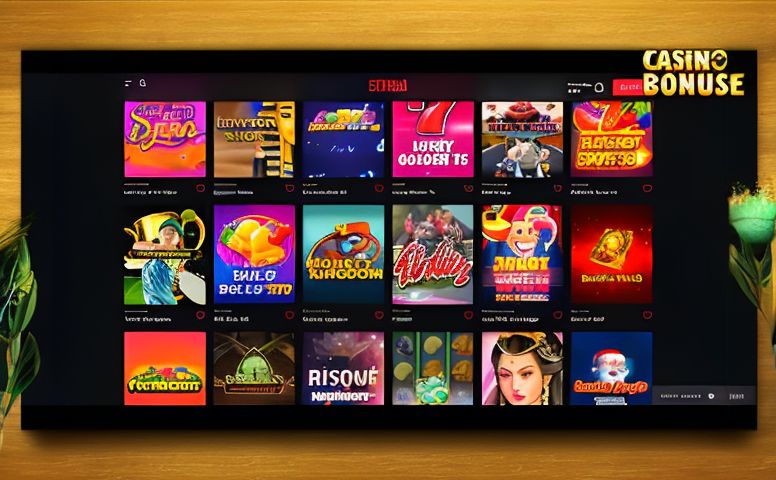
The nostalgia angle is real, though, and it is one reason providers keep releasing titles that dress up modern math models in retro wrappers. A well-built fruit-themed online game can capture the spirit of those old machines without pretending to be a physical cabinet, and the better operators make that distinction clear instead of blurring it for marketing purposes. When you see fruit machines MiFinity mentioned in a promotional context, the phrase is often pointing at the payment side of the equation rather than the game design itself, which is a reminder to read the fine print and separate the payment story from the actual product lineup. Nostalgia sells, but it should not be used to mask a weak game library or vague terms.
MiFinity in the Payment Mix
MiFinity has carved out a niche as a payment orchestration provider that aims to simplify how operators handle multiple funding sources and payout routes, and that kind of middleware can be useful for platforms juggling diverse player preferences. For an Australian audience, the appeal would lie in whether the service supports familiar deposit methods, processes withdrawals without unnecessary delays, and presents clear fee structures instead of burying costs in the terms. A payment provider that can route transactions efficiently is a practical asset, but it is not a substitute for a casino holding the right licences and maintaining independent game audits. The value proposition is operational, not regulatory, and that distinction matters when you are comparing platforms.
From a player’s perspective, the visible part of any payment provider is the checkout experience: how many clicks it takes, whether the method you want is listed, and how quickly the confirmation lands. The invisible part is the compliance layer, the fraud checks, and the settlement timing that determine whether your withdrawal actually lands in your account without a week-long hold. A platform that highlights fruit machines MiFinity connectivity may be signalling that it has invested in a flexible payment stack, yet that signal only matters if the operator backs it up with transparent processing times and accessible support. Convenience is a legitimate selling point, but it should be measured against reliability and clarity rather than promotional hype.
There is also a practical angle around currency handling and cross-border settlements, which becomes relevant when an operator serves Australian players from a jurisdiction outside the local regulatory perimeter. Payment routing can smooth over some of the friction in those transactions, but it does not change the underlying legal status of the casino or the protections available to the player. Australians have learned the hard way that a polished payment interface does not automatically mean a platform answers to local standards, so the smart move is to verify licensing, read the withdrawal policy, and treat any payment provider mention as one data point among many. The payment rail is part of the journey, not the destination.
What Aussie Punters Actually Want
Australian punters tend to be pragmatic about a few things: they want their deposits to go through without fuss, they want withdrawals to arrive within a timeframe they can plan around, and they want game rules and bonus terms written in plain English rather than legal shorthand. That pragmatism is shaped by a market where people compare operators the way they compare a local pub – by word of mouth, by repeat experience, and by whether the place delivers what it promises without hidden catches. A flashy lobby means less than a track record of paying out on time, and that is why payment performance often drives loyalty more than a stacked welcome package. The players who stick around are usually the ones who know exactly what they are signing up for.
There is also a strong preference for transparency around fees, limits, and verification steps, because nothing sours a session faster than discovering a withdrawal cap halfway through or being asked for documents you already submitted. Operators that make those policies easy to find and easy to understand tend to earn more trust than those that hide them behind layered menus and vague language. When a platform references fruit machines MiFinity in its payment section, the relevant detail is whether that connection translates into a clear, documented process for moving money in both directions, not just a logo on the checkout page. Clarity beats clever copy every time in this market.
Local habits also shape expectations around session length, stake sizes, and the kind of entertainment people are after, with many punters treating pokies as a social activity rather than a serious income play. That mindset lines up with responsible gambling tools that let people set limits, take breaks, and walk away without friction, which is why the better platforms make those controls visible instead of burying them. A payment provider can make transactions smoother, but it cannot replace the operator’s responsibility to offer sensible guardrails and honest game information. The punters who stay longest are usually the ones whose expectations are met consistently, not the ones chasing a one-off bonus that vanishes behind wagering requirements.
Licensing and the Local Rulebook
Australia’s interactive gambling rules are not a single national blanket, and that patchwork means operators have to navigate state-based oversight, federal restrictions on certain offerings, and a general expectation that anyone taking Australian money operates with a credible licence and clear compliance posture. The landscape has tightened over time, and players have become more alert to the difference between a platform that holds a recognised overseas licence and one that simply operates without much scrutiny. A payment provider like MiFinity does not grant legitimacy on its own, and it certainly does not replace the need for an operator to disclose where it is regulated, how disputes are handled, and what protections exist if something goes wrong. Licensing is the foundation, and everything else sits on top of it.
For punters, the practical check is straightforward even if the legal details are not: look for the licence information, read the terms on deposits and withdrawals, and confirm that the games run through independently tested software rather than unaudited builds. A site that mentions fruit machines MiFinity in its marketing might be pointing to a modern payment setup, but that detail should be weighed alongside the operator’s licensing disclosures and its game certification records. If those pieces are vague or missing, the payment logo is not much comfort when you are trying to sort out a delayed payout or a disputed bonus. Rules vary by jurisdiction, and the burden is on the player to verify before they play.
Local media and consumer watchdogs have repeatedly warned about the risks of unregulated platforms, and that warning has filtered into how many Australians approach online gambling now. People are more likely to check whether a casino answers to a known regulator, whether its support team is reachable, and whether its withdrawal policy is written in a way that can be understood without a law degree. That cautious approach is sensible, because the convenience of a fast payment route means little if the operator itself is operating in a grey zone. The rulebook is not always simple, but ignoring it never ends well, and the players who protect themselves are the ones who ask the boring questions first.
A Quick Look at Joe Fortune and the Field
Joe Fortune has built a recognizable presence in the Australian market by leaning into a clear brand identity, a broad game selection, and promotional offers that are easy to find and easy to compare, which is one reason it often comes up in conversations about established operators here. The platform’s positioning is built around accessibility and a steady stream of content, and that approach has helped it stay visible among players who want a familiar lobby layout and a straightforward sign-up flow. Like any operator, it has strengths and trade-offs, and the sensible way to assess it is to look at the details that matter to your own play style rather than accepting the marketing at face value. Brand recognition is useful, but it is only one input into a proper comparison.
When you line up Joe Fortune against other operators, the differences usually show up in game library depth, payment method coverage, bonus terms, and how clearly the site presents its licensing and support information. Some players prefer a platform with a larger roster of providers and more frequent new releases, while others care more about withdrawal speed and the clarity of the terms attached to each offer. A mention of fruit machines MiFinity in an operator’s payment section can be one signal of a modern checkout setup, but it should be weighed alongside the rest of the package rather than treated as a standalone endorsement. Comparison is about fit, not hype.
The broader field includes operators with different priorities, from those that focus heavily on sportsbook integration to those that lean into a pokies-first experience with bonus rounds and themed libraries. Each approach has a different appeal, and the right choice depends on whether you are after a social session, a specific game style, or a platform that handles your preferred payment methods without hassle. A balanced comparison keeps the focus on practical details: how fast withdrawals move, how clear the terms are, and whether the operator’s licensing information is easy to verify. Joe Fortune sits among the leaders in the Australian market in the table below, which compares a few key dimensions rather than chasing a simplistic ranking.
| Operator | Market Position | Payment Coverage | Game Library Focus | Transparency of Terms |
| Joe Fortune | Leader in the Australian market with strong brand visibility | Broad coverage including card and digital wallet routes | Pokies-forward with regular new releases | Clear bonus and withdrawal terms |
| Other established operators | Varied positions depending on sportsbook or pokies emphasis | Ranges from local methods to multi-rail setups | Mixed libraries across providers | Varies; some lean heavily on legal wording |
| Newer entrants | Growing visibility but less track record | Often dependent on a single gateway | Narrower catalogues at launch | Terms can be less mature |
Choosing a Platform Without the Hype
The best way to pick a casino is to ignore the loudest promise and focus on the boring details that determine whether your money moves smoothly and your sessions stay within your own limits. That means checking the withdrawal policy before you deposit, reading the bonus terms without skimming, and confirming that the game library includes titles from providers you recognise rather than a wall of untested builds. A payment provider mention is useful only if it is backed by a documented process, and a sleek lobby is useless if the support team disappears when you ask a straight question. The players who get the best experience are the ones who treat the sign-up process like a proper check, not a impulse buy.
There is also value in starting small and testing the actual experience rather than committing based on a promotional page, because the real test of any platform is how it handles a normal session from deposit to withdrawal. If a site advertises fruit machines MiFinity connectivity, that is a fair point to investigate, but it should be one of several checks rather than the whole argument for signing up. A fair go is earned through consistent behaviour over time, and that includes clear communication, timely payouts, and terms that do not change under your feet. The hype can wait; the practical details come first.
Local resources can help you keep a clear head when you are comparing options, and reputable city guides and lifestyle publications often run useful background on venues, entertainment, and the broader context around how people spend their leisure time. Reading a trusted local source such as the Broadsheet city guide can give you a grounded sense of the culture around pubs, clubs, and entertainment precincts, which is a useful reminder that gambling is only one part of a bigger social landscape. Keeping that perspective helps you choose a platform for what it is rather than what a marketing page claims it to be.
Keeping It Sensible at the Reels
Sensible play is less about grand rules and more about small habits that keep a session enjoyable instead of stressful, like setting a limit before you log in, tracking how long you have been spinning, and walking away when the fun stops being fun. Those habits matter because fruit machines, whether online or in a club, are built to keep attention engaged, and that design works best when the player has a clear boundary in place. A payment provider can make transactions easier, but it cannot make the reels kinder, so the responsibility stays with the player to decide when enough is enough. Good habits beat good intentions every time.
The better platforms make those boundaries easier to respect by offering visible limit tools, clear session information, and support options that are actually reachable when you need them. That kind of setup respects the player as a person rather than treating every account as a revenue line waiting to be maximised, and it is one of the signs that an operator is thinking beyond the next promotional push. When you see fruit machines MiFinity referenced in a payment section, it is worth remembering that the payment story is only one part of the experience, and the rest of the experience should be just as thoughtfully handled. A smooth transaction is nice, but a respectful platform is better.
Grace Smith, Marketing Director at Laneway Interactive Media, captured the practical side of this when she said, “The operators that keep their audience are the ones who treat payment speed and clear terms as part of the product, not as an afterthought, because trust is built in the checkout and the withdrawal, not just in the welcome banner.” That kind of framing lines up with what seasoned punters already know: the flash fades, the bonus conditions get complicated, and the platforms that last are the ones that handle the basics well. Matilda Nelson, Digital Acquisition Director at Harbour Bet Insights, added that “acquisition numbers look great on booking.erasol.si a dashboard, but retention tells you whether the payment experience and the game selection actually match what players expected when they signed up.” Both perspectives point back to the same idea, which is that the real measure of a platform is how it behaves when the marketing noise is gone and the actual play begins.